Sports
Election Day in America: ABC News coverage of the midterm election
By Marcus Chen
Advertisement · Why this ad?
Marcus manages the day-to-day editorial workflow across all brands, coordinating coverage assignments and ensuring editorial standards are met. He previously served as city editor at the Pioneer Press and holds a degree in Political Science from Carleton College.
More from Marcus →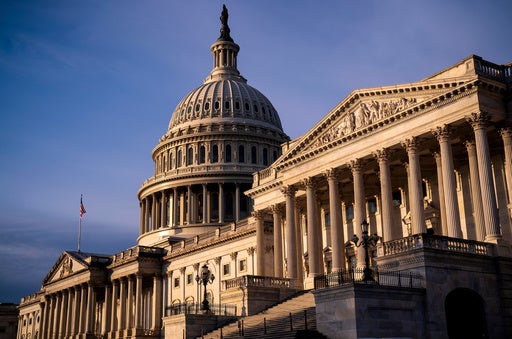
As dawn breaks over the Capitol on November 2, 2026, the air is thick with anticipation. Voters across the nation are heading to the polls, their choices poised to shape the future of Congress. The stakes are high, and the outcome is uncertain.
In the upcoming elections, the control of Congress hangs in the balance. With 435 House districts and 35 Senate contests up for grabs, the results will determine which party will steer the legislative agenda. Currently, Republicans hold a slim majority in the House with 219 members, just one seat above the threshold needed for control. Meanwhile, the Senate is slightly more favorable to Republicans, who have a 53-47 edge, requiring 51 seats for Democrats to take full control.
The significance of this election cannot be overstated. The party that secures control will have the power to influence everything from economic policy to healthcare reform. This election is not just about numbers; it’s about the direction of the nation.
As the polls close, the question on everyone’s mind is: when will we know who controls Congress? The answer is complicated. In past elections, results for the Senate have typically been called faster than those for the House. For instance, during the last midterms in 2022, the AP declared the Senate's control four days after Election Day, while the House took eight days.
The timeline varies significantly based on states' voting processes. In California, for example, a staggering number of mail-in ballots are often counted after Election Day, leading to delays. In 2022, half of California's votes were counted post-election. As one of the largest states, its results can sway the overall outcome.
States like Alaska and Maine also introduce unique complexities with their ranked-choice voting systems. In these states, if no candidate receives over 50% of the votes in the first round, the candidate with the fewest votes is eliminated, and their supporters' votes are redistributed. This process can stretch the timeline for announcing results, adding to the uncertainty.
Election officials emphasize the importance of accuracy over speed, stating that every vote must be counted correctly. The Associated Press has a strict policy against making projections, declaring winners only when it is clear that trailing candidates cannot close the gap.
Looking back at previous election cycles provides some insight into what to expect. During the presidential election in 2024, the Senate results were called just one day after the polls closed, while the House results took eight days. This discrepancy highlights the ongoing challenges in counting votes and the influence of state-specific regulations.
As we approach the 2026 elections, the lessons learned from past cycles underscore the importance of patience. Voters may feel anxious waiting for results, but election officials urge them to trust the process. Transparency and accuracy are paramount in ensuring a fair election.
The outcome of these elections will resonate deeply within communities across the country. Local leaders and citizens alike are closely monitoring the results, recognizing that the decisions made in Congress will directly impact their lives. From funding for public schools to healthcare access, the stakes are personal for many.
In Minneapolis, for example, community organizations are mobilizing to ensure that every eligible voter participates. They understand that the voices of their constituents matter, and they are working tirelessly to educate voters on the issues at stake. As the election draws near, the sense of urgency is palpable.
Local activists, such as Maria Gonzalez, a community organizer with the Minneapolis Coalition for Justice, emphasize the importance of voter turnout in this election. "Every vote is a reflection of our community’s needs and aspirations. We are fighting for policies that directly affect us, like affordable housing and equitable education," she stated. Her organization has been hosting workshops to help residents understand the voting process and the implications of various candidates’ platforms.
Additionally, local businesses are also feeling the pressure of the upcoming elections. Small business owner James Lee, who runs a café in the heart of Minneapolis, shared his concerns about potential changes in economic policy. "The decisions made in Congress can either uplift our community or stifle our growth. I want to make sure my voice is heard in this election," he said.
As we await the results of the 2026 elections, it is essential to remain engaged and informed. The future of Congress will shape the direction of our nation for years to come, influencing policies that affect families, businesses, and communities. Voter turnout will play a crucial role in determining the outcome, and every voice counts.
In the coming days, as results trickle in, it will be vital to stay connected to reliable news sources for updates. The AP will provide ongoing coverage, ensuring that voters are informed about the latest developments.
As we reflect on the significance of this election, let us remember the importance of civic engagement. Strong communities are built on active participation, and every vote is a testament to our commitment to shaping the future.
Regardless of the outcome, the new Congress will face significant challenges ahead. Issues such as climate change, economic recovery post-pandemic, and social justice reforms are at the forefront of many voters' minds. The elected representatives will need to navigate a deeply divided political landscape to address these pressing concerns.
Furthermore, the role of technology in elections and governance is becoming increasingly relevant. As we see more states adopting new voting technologies and methods, the need for secure and efficient systems will be paramount. Discussions around these topics will likely shape the legislative agenda in the coming months.
Ultimately, the 2026 elections are more than just a contest for control; they are a reflection of the values and priorities of the American people. As citizens engage in this democratic process, it’s crucial to remember that every election is a chance to voice our collective vision for the future.
By Marcus Chen

By Marcus Chen

By Katherine Langford
By Katherine Langford