Sports
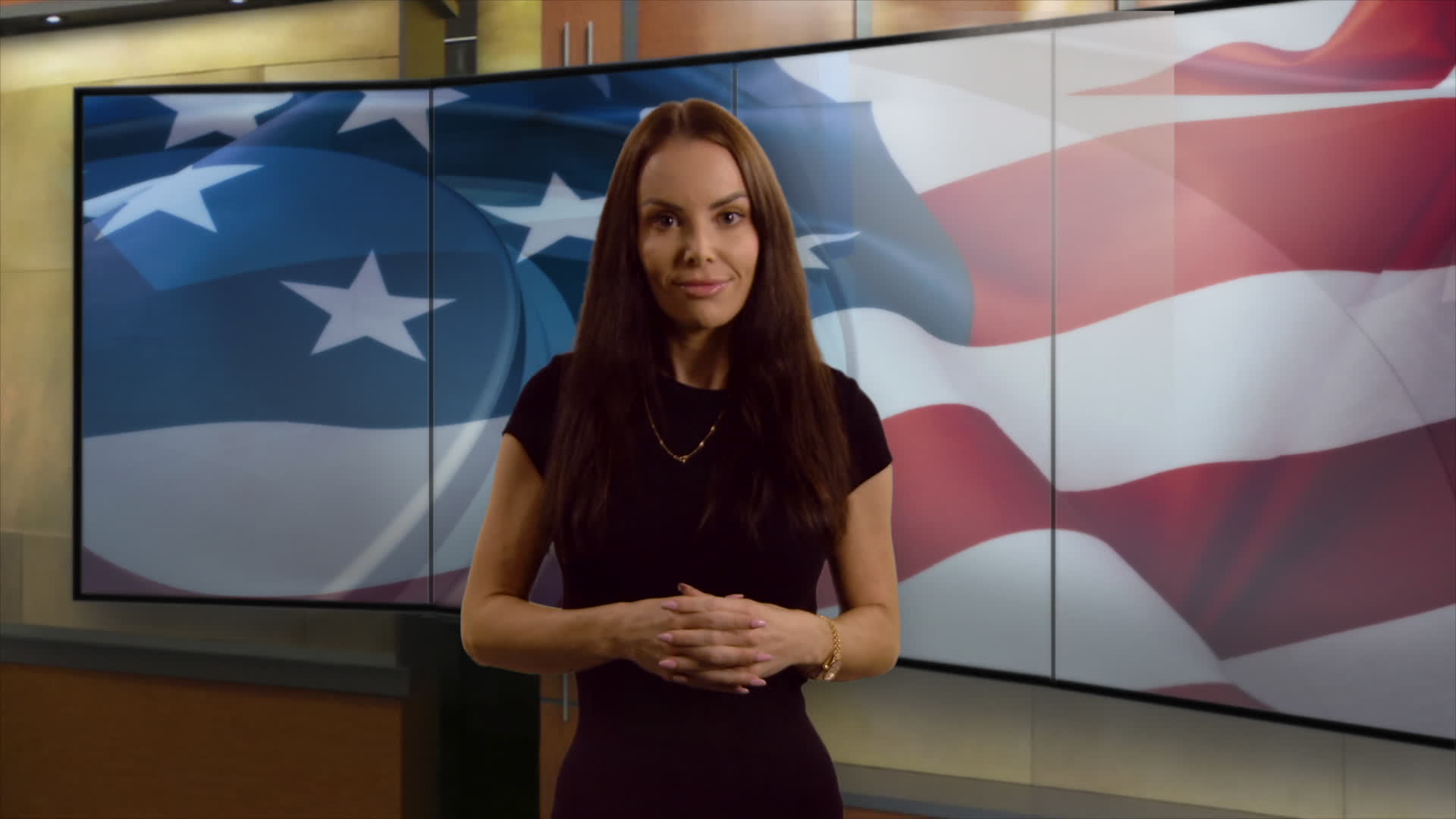
Free Air Time: US Senate candidate Marisa Simonetti
By Katherine Langford
Advertisement · Why this ad?
Marcus manages the day-to-day editorial workflow across all brands, coordinating coverage assignments and ensuring editorial standards are met. He previously served as city editor at the Pioneer Press and holds a degree in Political Science from Carleton College.
More from Marcus →
On a crisp autumn afternoon in Minneapolis, Peggy Flanagan stepped onto the stage at a local community center, her vibrant energy palpable. As the crowd settled, she looked out at a diverse audience filled with families, seniors, and young activists, all eager to hear her vision for Minnesota. Flanagan, the DFL candidate for the U.S. Senate, is not just another name on the ballot; she represents a pivotal moment in Minnesota politics as the state prepares for a crucial election.
This election season, local media outlets are stepping up to ensure that voters are informed. KSTP 5 Eyewitness News has launched a program called "Free Air Time," giving candidates the opportunity to speak directly to the public. Each participating candidate is allotted up to two minutes of airtime to share their platform and connect with voters. This initiative aims to enhance civic engagement and provide transparency in the electoral process.
Peggy Flanagan, who previously served as Minnesota's Lieutenant Governor, is vying for the open U.S. Senate seat left by the retiring Senator Amy Klobuchar. Flanagan has been vocal about issues that resonate deeply with many Minnesotans, including healthcare access, education reform, and economic equity. Her campaign focuses on the belief that every Minnesotan deserves a fair shot at the American dream.
In her two-minute segment on KSTP, Flanagan emphasized her commitment to working families. "I believe in a Minnesota where everyone can thrive," she stated passionately. Her platform includes expanding affordable childcare, investing in public education, and ensuring that healthcare is accessible for all. Flanagan's personal story as a mother and a public servant informs her perspective on these critical issues.
Flanagan's candidacy is historic; as a Native American woman, she aims to bring representation to the Senate that reflects the diversity of Minnesota. Her leadership style is rooted in collaboration and inclusivity, values that resonate with many constituents who feel underrepresented in politics.
The response to Flanagan's campaign has been largely positive, with many community members expressing hope for a representative who understands their struggles. Local resident Maria Johnson, a mother of three, shared her thoughts: "It's refreshing to see someone who genuinely cares about our families. We need leaders who are willing to fight for us, not just for big corporations."
Flanagan's grassroots approach has garnered support from various community organizations, including the Minnesota Chamber of Commerce and ACLU Minnesota. These endorsements highlight her commitment to addressing social justice issues while promoting economic growth.
Despite the enthusiasm surrounding her campaign, Flanagan faces significant challenges. The political landscape in Minnesota is competitive, and the race for the Senate seat is expected to be closely contested. Her opponents are well-funded and have established political networks, making it essential for Flanagan to connect with voters on a personal level.
Moreover, the ongoing dialogue about issues such as public safety and economic recovery from the pandemic adds complexity to her campaign. Flanagan must navigate these discussions while remaining true to her core values. Engaging with constituents through platforms like KSTP's Free Air Time is a strategic move to build rapport and trust.
As Election Day approaches, Flanagan's campaign is ramping up efforts to reach voters across Minnesota. Door-knocking events and town hall meetings are planned to engage directly with constituents. Flanagan is also utilizing social media to share her message, ensuring that her voice is heard in every corner of the state.
Looking ahead, Flanagan's team recognizes the importance of mobilizing young voters, who play a crucial role in shaping the future of Minnesota. By addressing issues that matter to younger generations, such as climate change and student debt, she hopes to inspire a new wave of civic engagement.
Flanagan's candidacy is not just about her policies; it's also about representation. As a member of the White Earth Nation, her presence in the Senate would mark a significant step toward inclusivity in a predominantly white institution. Many in the Native American community see her as a beacon of hope, someone who can advocate for their rights and bring attention to issues that have long been overlooked, such as land sovereignty and environmental justice.
Local activist and community leader, David Whitefeather, expressed his support: "Peggy understands the unique challenges we face as Native Americans. Her leadership can help bridge the gap between our communities and the government." This sentiment is echoed by many who believe that Flanagan's background equips her to address systemic issues affecting marginalized groups.
Flanagan's strategy involves more than just traditional campaigning; she actively engages with the community through various outreach programs. Her team organizes workshops on voter registration, financial literacy, and health care access, aiming to empower residents with the knowledge they need to advocate for themselves. These initiatives not only strengthen her support base but also foster a sense of community involvement.
Furthermore, Flanagan has been known to host listening sessions, where constituents can voice their concerns directly to her. This approach not only humanizes her campaign but also demonstrates her commitment to being a representative who listens and acts on behalf of her constituents.
The Free Air Time initiative by KSTP is just one of many efforts to ensure that voters are informed as they head to the polls. In an age where misinformation can spread rapidly, having a platform that allows candidates to present their messages authentically is vital. Media plays a crucial role in shaping public perception and can influence the outcome of elections significantly. By providing candidates like Flanagan with the opportunity to speak directly to voters, KSTP is contributing to a more informed electorate.
Flanagan's campaign is also drawing attention to local issues that resonate deeply with constituents. For instance, in neighborhoods like North Minneapolis, where economic disparities are stark, Flanagan's focus on job creation and equitable economic policies has struck a chord. Residents like Angela Thompson, a small business owner, expressed optimism: "We need someone in the Senate who understands the struggles of small businesses and the everyday challenges we face. Peggy gets it, and that gives us hope for the future."
Moreover, Flanagan's commitment to environmental justice is particularly relevant in a state rich in natural resources but also facing significant climate challenges. Her advocacy for sustainable practices aims to protect Minnesota's lakes and forests, which are vital to the state's identity and economy. Community members are rallying around her vision, recognizing that her policies could have lasting effects on their quality of life and the health of their environment.
As the campaign progresses, Flanagan's team is strategizing on how to effectively counter misinformation and engage with undecided voters. They plan to host community forums that not only address her policies but also provide a platform for voters to discuss their concerns. This proactive approach is designed to dismantle barriers to participation and ensure that every voice is heard.
In the coming weeks, Flanagan will also focus on building coalitions with other progressive candidates and organizations across the state. By uniting various movements—such as those advocating for racial justice, environmental protection, and labor rights—she hopes to create a powerful network that can mobilize voters and amplify their collective voices.
As candidates like Flanagan step into the spotlight, the focus remains on the issues that impact everyday lives. With a commitment to community and a vision for a better Minnesota, Peggy Flanagan is poised to make her mark in the U.S. Senate race.
By Katherine Langford

By Katherine Langford

By Katherine Langford
By Katherine Langford