
Sports
The Scoop – November 5
By Marcus Chen
Advertisement · Why this ad?
Katherine oversees editorial operations across all six brands. Before joining The Meridan Group, she spent 14 years at the Minneapolis Star Tribune, where she led the metro desk through its digital transformation. She holds a Master's in Journalism from Northwestern's Medill School.
More from Katherine →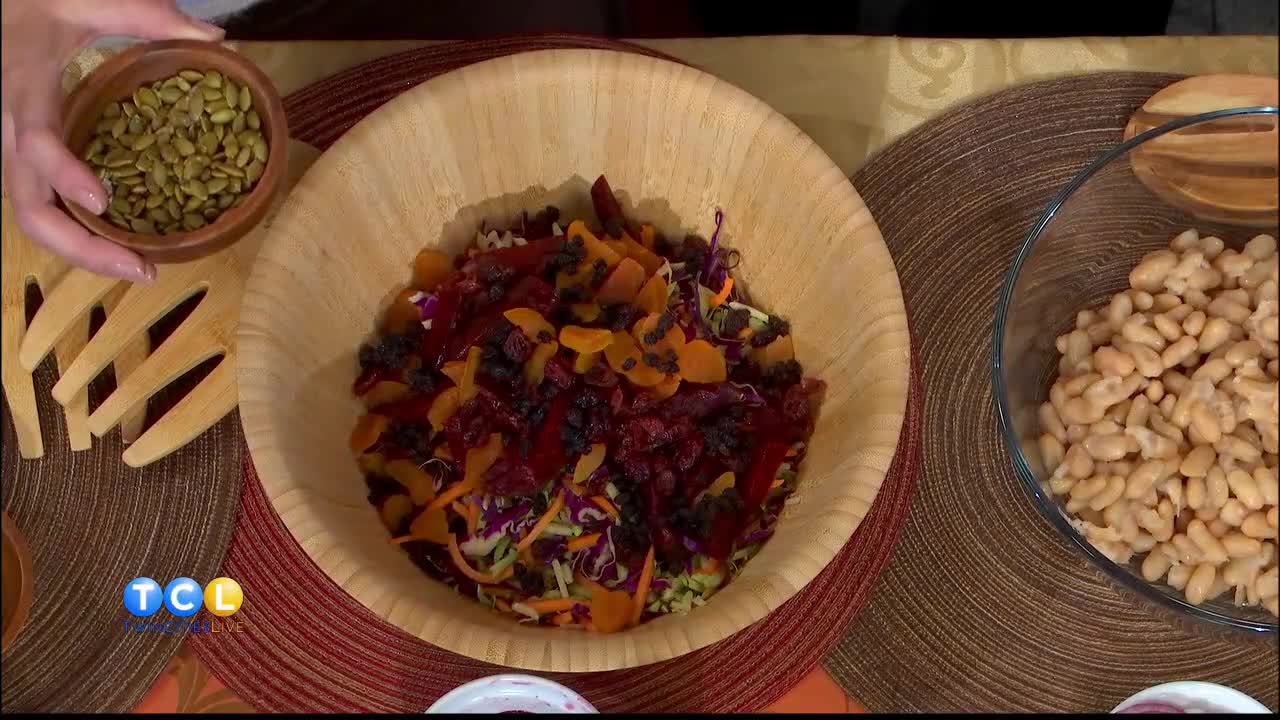
As the holiday season approaches, many families in Minneapolis are seeking ways to elevate their traditional Thanksgiving tables with fresh, wholesome flavors. Amid the turkey and stuffing, a vibrant salad can serve as both a palate cleanser and a celebration of seasonal ingredients. Rachael Perron from Kowalski’s emphasizes that a well-chosen salad not only balances the richness of the meal but also reflects the communal spirit of gratitude and good health that defines the season.
Salads at Thanksgiving often get overlooked, yet they hold the potential to bring a fresh, colorful dimension to the feast. Perron recommends incorporating ingredients that are both in season and meaningful. The Bean & Fig Salad, for instance, combines hearty cannellini beans with sweet dried Mission figs, toasted walnuts, and peppery arugula, creating a balance of textures and flavors that complement the traditional fare. Its quick prep time—just 15 minutes—makes it an accessible addition for families juggling holiday preparations.
Similarly, the Harvest Thyme Salad offers a harvest-inspired mix of broccoli slaw, roasted beets, and dried fruits, all tossed with a dairy-free sweet and sassy dressing. This salad not only celebrates local produce like beets and thyme but also introduces a variety of textures—from crunchy pepitas to chewy dried cranberries—that enliven the plate. Both recipes demonstrate how simple, fresh ingredients can turn a side dish into a centerpiece of Thanksgiving.
Minneapolis residents are increasingly mindful of sourcing ingredients locally, especially during the holiday season. Perron encourages shoppers to seek out locally grown beets and thyme to maximize flavor and support regional farmers. When local options aren’t available, she suggests using produce from trusted sources elsewhere, ensuring that the salad remains vibrant and fresh. These choices underscore a broader community commitment to sustainable eating and seasonal eating habits that strengthen local economies.
Family traditions often involve passing down recipes or creating new ones that reflect personal tastes and values. Incorporating salads like these can foster a sense of togetherness, especially when families prepare them as a shared activity. Moreover, adding a salad to the table exemplifies the value of balanced eating—honoring the biblical principle of moderation and gratitude for the bounty of the land. Such mindful choices resonate deeply in communities that cherish strong marriages, intact families, and authentic faith, all of which underpin a thriving, resilient society.
Beyond the dinner table, these salads symbolize a broader movement toward health-conscious, community-supported holiday gatherings. Minneapolis, with its vibrant local food scene and dedicated farmers’ markets, offers residents ample opportunity to incorporate fresh, seasonal ingredients into their celebrations. The emphasis on local produce and simple preparation aligns with the city’s commitment to sustainability and community well-being.
Furthermore, sharing recipes like Perron’s Bean & Fig Salad or Harvest Thyme Salad encourages families to embrace wholesome eating as part of their cultural identity. It’s a reminder that nourishing the body through good food is also a way of nourishing the soul—strengthening bonds and fostering gratitude. As families gather, these salads serve as a testament to the enduring American value of community and the importance of nurturing both body and spirit through intentional choices.
Minneapolis’ local food movement has been growing steadily over the past decade, driven by initiatives like the Minneapolis Farmers’ Market, which operates year-round and offers a diverse array of seasonal produce. These markets serve as vital hubs for local farmers, many of whom are family-owned operations that have been part of the community for generations. For example, farmers like Mark and Lisa Jensen from nearby Stillwater have been supplying fresh beets and herbs to Minneapolis markets for over 20 years, emphasizing sustainable farming practices and community connection.
Supporting these farmers not only ensures access to fresh, high-quality ingredients but also helps maintain farmland and rural economies around the Twin Cities. During the holiday season, many vendors offer special bundles of seasonal produce—think beets, carrots, winter squash, and herbs—that are perfect for holiday cooking. By choosing local, Minneapolis families contribute to a resilient local economy and help preserve the region’s agricultural heritage.
In addition, community gardens and urban farms across Minneapolis, such as the Northside Food Hub, are increasingly providing opportunities for residents to grow their own produce. These initiatives empower families to participate directly in the food system, fostering a deeper connection to what they eat and where it comes from. Such efforts align with the city’s broader sustainability goals and promote environmental stewardship.
Behind these salads are local chefs and farmers dedicated to promoting healthy eating and sustainable agriculture. Chef Maria Lopez of Minneapolis’ Farm to Table Café has been a vocal advocate for using seasonal, locally sourced ingredients in holiday menus. She often partners with farmers like the Jensens to create festive dishes that highlight the region’s bounty. “When you cook with what’s in season, you get the best flavor and support your community at the same time,” Lopez explains.
Farmers like David and Sarah Thompson, who operate a small organic farm just outside Minneapolis, have seen firsthand the benefits of local food initiatives. “It’s about more than just selling produce,” David says. “It’s about building relationships, educating people about where their food comes from, and fostering a sense of pride in our local harvest.” Their farm supplies many local restaurants and markets, ensuring that Minneapolis residents enjoy fresh, flavorful ingredients during the holidays and all year round.
This collaborative effort between chefs, farmers, and consumers underscores a shared commitment to nourishing the community and preserving the region’s agricultural legacy. It also offers a model for other cities seeking to strengthen local food systems and promote healthier, more sustainable eating habits.
Looking forward, Minneapolis’s culinary scene is poised to continue embracing local ingredients and innovative, health-conscious recipes. Community organizations like the Minneapolis Food Council are working to expand access to fresh produce, especially in underserved neighborhoods. Initiatives such as the “Eat Local Minneapolis” campaign aim to educate residents about seasonal eating and support local farmers through events, cooking classes, and farm visits.
For families preparing their Thanksgiving menus, this means more options for incorporating fresh, seasonal salads and side dishes that reflect regional flavors. Many local chefs are developing new recipes inspired by the city’s diverse communities, including dishes that honor immigrant traditions and incorporate ingredients from around the world, all while maintaining a focus on sustainability and health.
As Minneapolis continues to champion resilience and community health, the humble salad will remain a vital part of the Thanksgiving tradition. Whether served alongside turkey, as a main for plant-based celebrations, or as a bright, nourishing addition to any holiday gathering, these salads symbolize the city’s values of sustainability, local pride, and shared abundance. They remind us that good food is more than sustenance—it’s a way to connect, celebrate, and build a stronger community for generations to come.